
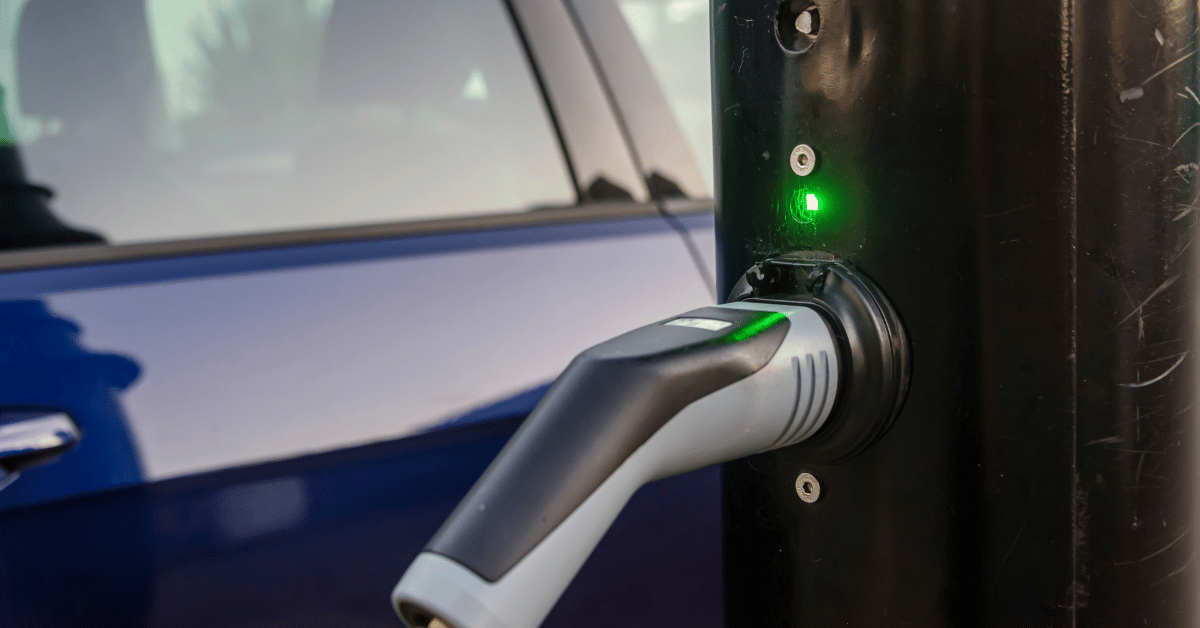
Empowering electric vehicle adoption
The landscape of electric vehicle (EV) adoption in the UK is evolving rapidly, driven by a combination of government initiatives and advancements in infrastructure. With the recent announcement of new grants and funding allocations, the path to electrification is becoming more accessible and inclusive than ever before.
EV infrastructure expansion to include drivers without off-street parking
One of the most significant developments is the expansion of the Government’s charge point grant to include EV drivers without off-street parking. Previously, this grant was limited to homeowners with driveways, leaving many urban residents and renters without access to charging infrastructure. Now, EV drivers who own or rent properties with adequate street parking can benefit from up to 75% off the cost of purchasing and installing a charge point. This widening of eligibility criteria reflects the government’s commitment to making EV ownership a viable option for all motorists.
To facilitate the implementation of EV infrastructure, the Department for Transport (DfT) has allocated £185 million in Local Electric Vehicle Infrastructure (LEVI) funding to councils across England. This funding will support the installation of thousands of additional charge points, enhancing accessibility and convenience for EV drivers nationwide. Furthermore, the government-funded EV infrastructure training course aims to equip local authorities with the knowledge and skills necessary to plan and deliver effective charging solutions. By investing in training and capacity building, the government is ensuring that councils have the resources and expertise to meet the growing demand for EV infrastructure.
The establishment of the Electric Vehicle Infrastructure Forum signals a collaborative approach to addressing barriers and accelerating the deployment of charging infrastructure. Chaired by ministers and AA president Edmund King, this forum brings together key stakeholders from the government and the charging industry to drive progress and innovation. By fostering collaboration and knowledge sharing, the forum aims to overcome challenges and unlock the full potential of EV adoption in the UK.
Despite these positive developments, there remains a disconnect between local authorities and the fleet sector regarding EV infrastructure planning. While half of local authorities have developed EV charging strategies, evidence suggests significant engagement with fleets is lacking. To bridge this gap, it is essential for councils to consult with fleet operators and understand their unique requirements and challenges. By fostering closer collaboration and communication, local authorities can ensure that EV infrastructure development aligns with the needs of fleet operators, facilitating the transition to electric mobility.
At FleetMaxx, we are committed to supporting businesses in their electric vehicle journey. Our team of electric vehicle specialists can provide expert guidance and assistance to businesses looking to transition to electric fleets. Whether you require assistance with vehicle charging infrastructure, fleet management, or other EV services, FleetMaxx has the expertise and resources to help you navigate the transition with confidence. When you and your business are ready to embark on your EV journey, contact our electric vehicle specialists on 03302 320 220 or complete the form on our contact us page. Together, we can drive towards a cleaner, greener future for mobility.
List of councils approved to receive LEVI funding
| Local authorities | Indicative Allocation | Funding Tranche |
|---|---|---|
| Bedford | £1,010,000 | 1 |
| Blackburn with Darwen | £1,608,000 | 2 |
| Blackpool | £1,708,000 | 1 |
| Bournemouth, Christchurch and Poole | £1,447,000 | 1 |
| Bracknell Forest | £326,000 | 2 |
| Brighton and Hove | £2,865,000 | 1 |
| Buckinghamshire | £1,991,000 | 1 |
| Central Bedfordshire | £1,413,000 | 1 |
| Cheshire East | £2,172,000 | 1 |
| Cheshire West and Chester | £2,049,000 | 1 |
| Cornwall & Scilly | £5,509,000 | 2 |
| Cumberland | £3,465,000 | 1 |
| Derby | £1,758,000 | 1 |
| Derbyshire | £6,604,000 | 1 |
| Devon | £7,067,000 | 1 |
| Dorset | £2,490,000 | 1 |
| East Riding of Yorkshire | £2,326,000 | 2 |
| East Sussex | £4,441,000 | 1 |
| Essex | £8,382,000 | 2 |
| Gloucestershire | £3,107,000 | 1 |
| Hampshire | £6,662,000 | 2 |
| Herefordshire, County of | £1,124,000 | 1 |
| Hertfordshire | £6,015,000 | 1 |
| Isle of Wight | £1,625,000 | 1 |
| Kent | £12,081,000 | 2 |
| Kingston upon Hull, City of | £2,840,000 | 2 |
| Lancashire | £10,111,000 | 2 |
| Leicester | £3,380,000 | 1 |
| Leicestershire | £3,151,000 | 1 |
| Lincolnshire | £5,620,000 | 1 |
| London borough partnerships | £35,698,000 | 1 and 2 |
| Luton | £1,273,000 | 1 |
| Medway | £2,124,000 | 2 |
| Milton Keynes | £1,642,000 | 1 |
| Norfolk | £6,468,000 | 1 |
| North East Lincolnshire | £1,431,000 | 2 |
| North Lincolnshire | £925,000 | 1 |
| North Northamptonshire | £2,895,000 | 1 |
| North Somerset | £851,000 | 1 |
| North Yorkshire | £4,880,000 | 1 |
| Nottingham | £1,704,000 | 1 |
| Nottinghamshire | £5,522,000 | 1 |
| Oxfordshire | £3,655,000 | 1 |
| Plymouth | £2,415,000 | 1 |
| Portsmouth | £3,682,000 | 1 |
| Reading | £866,000 | 1 |
| Rutland | £257,000 | 1 |
| Shropshire | £2,006,000 | 1 |
| Slough | £2,233,000 | 2 |
| Somerset | £3,783,000 | 1 |
| Southampton | £1,630,000 | 1 |
| Southend-on-Sea | £1,448,000 | 1 |
| Staffordshire | £4,588,000 | 1 |
| Stoke-on-Trent | £2,693,000 | 1 |
| Suffolk | £5,337,000 | 1 |
| Surrey | £2,042,000 | 1 |
| Swindon | £1,942,000 | 1 |
| Telford and Wrekin | £1,020,000 | 1 |
| Thurrock | £515,000 | 2 |
| Torbay | £958,000 | 1 |
| Warrington | £926,000 | 1 |
| Warwickshire | £3,295,000 | 1 |
| West Berkshire | £382,000 | 1 |
| West Northamptonshire | £2,853,000 | 2 |
| West Sussex | £4,100,000 | 1 |
| Westmorland and Furness | £3,205,000 | 1 |
| Wiltshire | £3,889,000 | 2 |
| Windsor and Maidenhead | £927,000 | 1 |
| Wokingham | £264,000 | 1 |
| Worcestershire | £3,481,000 | 2 |
| York | £746,000 | 1 |
As the UK accelerates its transition to electric mobility, the government’s commitment to expanding EV infrastructure and supporting drivers without off-street parking is a significant step forward. With grants, funding, and collaborative initiatives driving progress, the future of electric mobility looks brighter than ever before.


